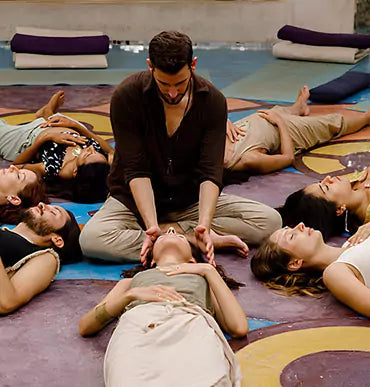
Professional training goes far beyond learning breathing patterns. It includes:
- Understanding how breath affects the autonomic nervous system
- Recognising trauma responses and emotional activation
- Learning how to hold space ethically and responsibly
- Working within clear professional boundaries
A certified breathwork facilitator is not simply leading an experience, they are regulating, observing, and responding in real time.
Why Proper Training Matters for Client Safety
In many countries, breathwork remains largely unregulated. While this allows accessibility, it also creates risk when facilitation lacks proper training.
Safety and Nervous System Awareness
Breathwork can activate intense emotional and physiological responses. Research in somatic psychology and trauma studies consistently shows that the body stores stress and trauma beyond cognitive awareness.
Authors such as Bessel van der Kolk, in The Body Keeps the Score, and Peter Levine, creator of Somatic Experiencing®, highlight the importance of working with the body gradually, safely, and with nervous system awareness.
High-quality facilitator training includes:
- Nervous system regulation principles
- Contraindications and screening protocols
- Techniques for grounding, pacing, and integration
Trauma-Informed Breathwork: What It Really Means
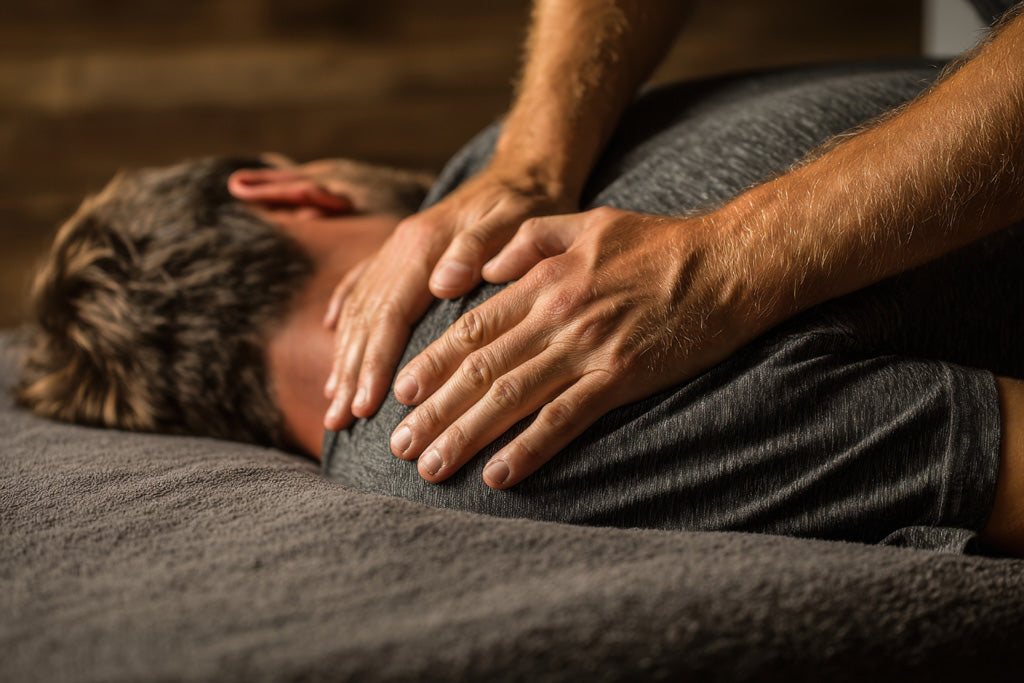
Trauma-informed breathwork training acknowledges that many participants carry unresolved trauma, whether diagnosed or not.
Contemporary trauma research, including the work of Stephen Porges and his Polyvagal Theory, has reshaped how facilitators understand safety, activation, and regulation.
A trauma-informed approach includes:
- Working with activation, not forcing emotional release
- Prioritising nervous system safety over catharsis
- Recognising shutdown, freeze, and dissociation
- Understanding when containment is more appropriate than expression
This level of training is essential for facilitators who wish to work sustainably and responsibly.
Does Online vs In-Person Change How Safe Breathwork Is?
The question is no longer whether breathwork certification online is legitimate — but whether it is well designed and properly supervised.
High-level online programs typically include:
- Live supervised practice sessions
- Direct feedback from senior facilitators
- Case studies and practical assessments
- Ongoing mentorship and peer learning
The effectiveness of a breathwork facilitator certification depends on depth, supervision, and ethical accountability, not on physical location alone.
How Long Does It Take to Train as a Facilitator?
Professional facilitator training generally falls into three tiers:
- Introductory courses: 50–100 hours
- Professional certification: 200–300 hours
- Advanced or integrative programs: 300+ hours
Most recognised certifications take 3 to 6 months, combining theory, practice, and integration.
The Influence of Somatic and Integrative Psychology
Modern breathwork training is increasingly informed by integrative psychology and trauma-aware approaches.
Authors such as Gabor Maté emphasise the relationship between emotional repression, stress, and physical illness, reinforcing why breathwork must be guided with sensitivity rather than intensity.
These perspectives underline a key principle:
Breathwork is not about pushing the nervous system, but listening to it.
Once you have clarity on the career path, the next step is choosing a breathwork certification programme that aligns with your values, meets accreditation standards, and includes supervised practice hours.
Career Pathways For Breathwork Facilitators
A certified breathwork facilitator may work in multiple contexts, including:
- One-to-one private sessions
- Group breathwork and workshops
- Retreat facilitation
- Online sessions and digital programs
- Wellness centres and integrative practices
Many professionals integrate breathwork with:
- Coaching
- Somatic therapy
- Bodywork
- Yoga or meditation
- Mental health support roles (non-clinical)
For a broader overview of certification pathways across multiple modalities, including breathwork, somatic work, and energy-based practices, see our complete guide to holistic facilitator certification.
Ready To Train? Our Breathwork Facilitator Program
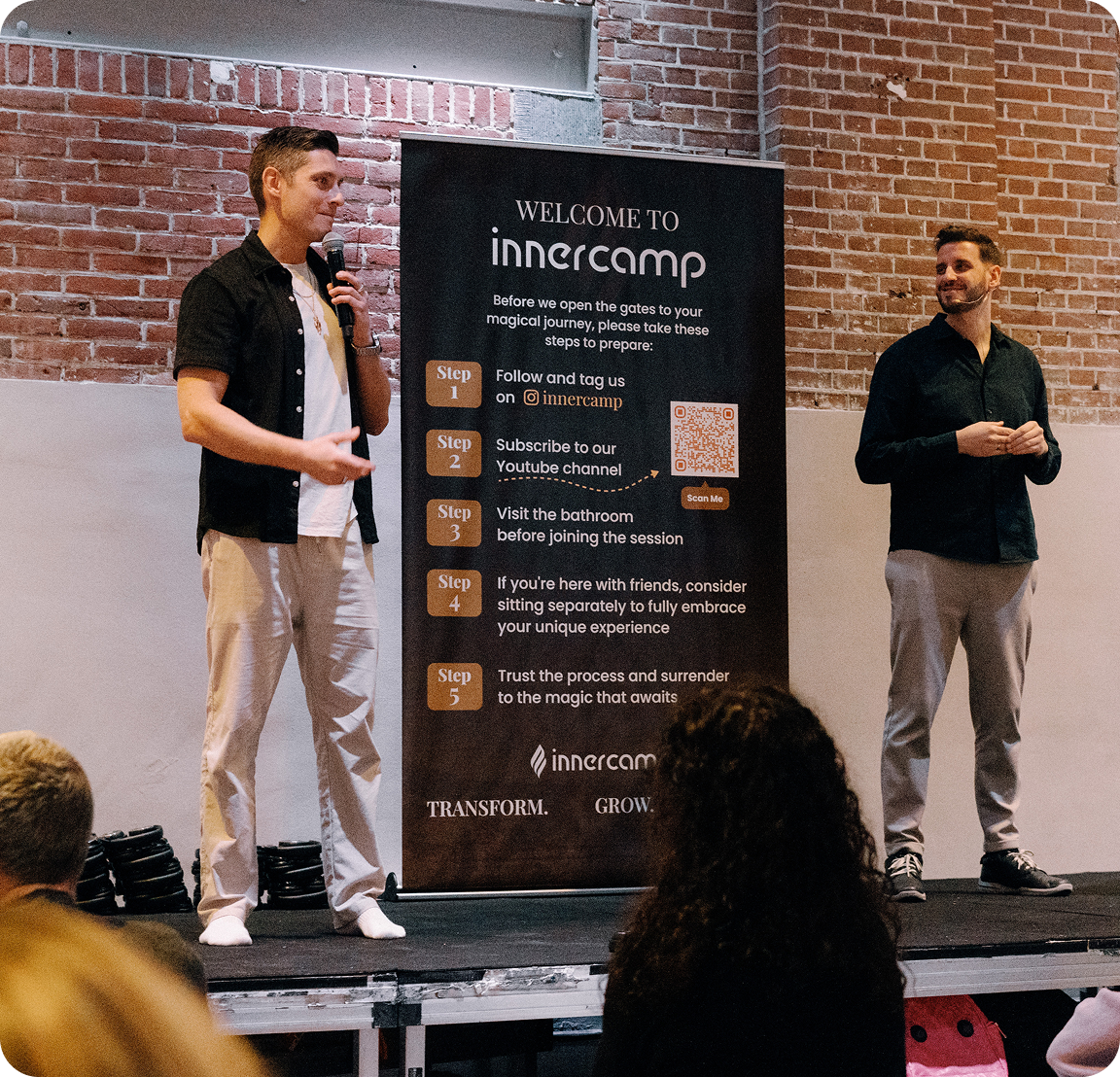
At InnerCamp, breathwork facilitator training is embedded within an integrative framework that combines breathwork, somatic awareness, and nervous system education.
The emphasis is placed on:
- Trauma-informed facilitation
- Ethical space holding
- Practical supervised experience
- Long-term professional integrity
This reflects a broader shift in the wellness industry toward responsibility, depth, and interdisciplinary understanding.
Final Perspective
As breathwork continues to enter mainstream wellness and mental health conversations, the role of the certified breathwork facilitator becomes increasingly important.
Training is no longer about personal exploration alone. It is about developing the capacity to hold others safely, ethically, and with discernment, informed by both lived experience and contemporary research.
Choosing the right facilitator training is not a trend decision, it is a professional one.
Common Questions About becoming A Breathwork Facilitator
1. How do I become a breathwork facilitator?
To become a breathwork facilitator, you typically complete a professional training program as a facilitator that includes both theoretical education and supervised practical experience.
A high-quality pathway usually involves:
- Learning breathwork techniques and session structures
- Understanding nervous system regulation and trauma responses
- Practicing facilitation under supervision
- Completing assessments or case studies
- Receiving a recognised certification or diploma
Most serious programs emphasise trauma-informed practice, ethical boundaries, and real-world facilitation skills rather than only technique instruction.
2. How much do breathwork facilitators make?
Income for breathwork facilitators varies widely depending on experience, location, and how the work is delivered.
Typical earning structures include:
- Private sessions (online or in-person)
- Group workshops and circles
- Retreat facilitation
- Corporate or wellness collaborations
Many facilitators combine breathwork with coaching, bodywork, or other modalities. Rather than a fixed salary, breathwork facilitation is often a practice-based income, with earning potential increasing as experience, reputation, and reach grow.
3. How long does it take to become a breathwork coach?
Professional breathwork facilitator or coach training typically takes 3 to 6 months, depending on the program structure and intensity.
Common formats include:
- 200–300 hour professional certifications
- Modular programs combining theory and practice
- Hybrid or online formats with live supervision
Shorter introductory courses exist, but they do not usually prepare practitioners for professional facilitation or trauma-aware work.
4. Is breathwork certification worth it?
Breathwork certification is worth it for anyone who wants to facilitate safely, ethically, and professionally.
While breathwork itself may not be legally regulated in many regions, certification:
- Builds trust with clients
- Reduces risk when working with emotional activation
- Demonstrates professional responsibility
- Provides structure, supervision, and accountability
For facilitators working with trauma, mental health, or nervous system regulation, certification is not just beneficial, it is strongly recommended.
5. What qualifications do I need to be a facilitator?
You typically do not need prior qualifications in therapy, coaching, or healthcare to begin this training.
Most professional programs are designed to support:
- Complete beginners
- Coaches, yoga teachers, and bodyworkers
- Facilitators adding somatic tools
What matters most is completing a credible training program that covers safety, ethics, and trauma-informed facilitation, rather than holding a specific academic degree.
6. What is a CMF certification?
CMF commonly refers to Certified Mindfulness Facilitator, a designation used in some contemplative or mindfulness-based training programs.
It is important to note that CMF certification is not specific to breathwork. This training usually involves its own certifications or diplomas that focus on:
- Breath-led nervous system regulation
- Somatic awareness
- Emotional processing
- Facilitation skills
When choosing a program, it’s essential to verify that the certification is directly relevant to breathwork facilitation, rather than a general mindfulness credential.
7. Can breathwork be done online?
Yes, breathwork can be facilitated safely and effectively online when guided by a properly trained facilitator.
Online breathwork facilitation typically includes:
- Clear safety screening and consent
- Verbal guidance rather than physical touch
- Structured pacing and grounding techniques
- Integration and follow-up support
Many professional breathwork trainings now include online facilitation skills, enabling facilitators to work with clients globally while maintaining ethical and trauma-informed standards.
About the Author
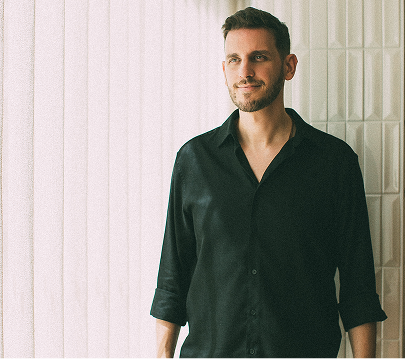
Alexis Alcalá is the founder of InnerCamp and the creator of the Holosomatic® Method, an integrative approach combining breathwork, somatic awareness, nervous system regulation, and trauma-informed facilitation.
With over a decade of experience in breathwork, somatic practices, and facilitator education, Alexis has trained thousands of practitioners worldwide. His work bridges modern neuroscience and psychology with embodied and experiential healing approaches, emphasising safety, ethics, and long-term integration.
Alexis leads InnerCamp’s professional facilitator trainings and continues to teach, mentor, and refine the Holosomatic® Method based on both clinical insights and real-world facilitation experience.
Want to guide breathwork yourself? See the Holosomatic® Breathwork Facilitator Training: cost, length and accreditation at a glance, online or hybrid.