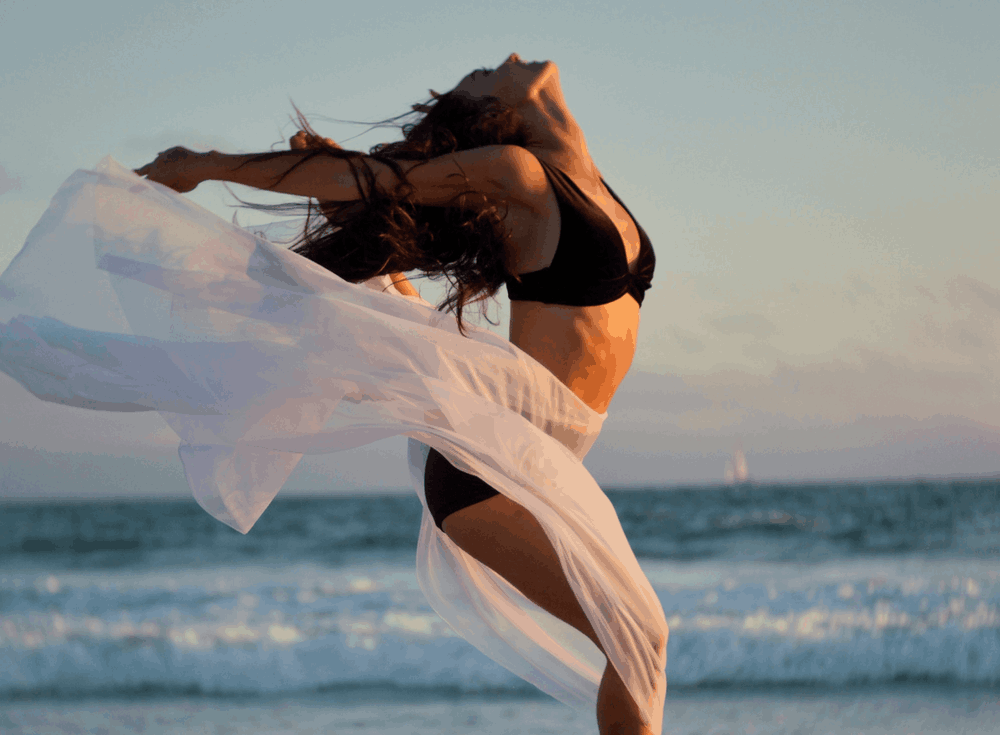
Ecstatic dance is a form of self-expression where dancers surrender to the rhythm and reach a state of ecstatic feelings. Dancers end up feeling connected to themselves and others. Dancers are free to move however they feel like, there is no choreography they have to follow. Music of choice is generally electronic featuring sometimes jungle beats. The final aim for the dancers is to feel more spiritual and in tune after the session ends. The history of ecstatic dance is reported to be traced back hundreds of years. It is a form of meditation and helps people with their stress and other negative emotions. Mind, body and spirit can benefit from this practice. Participants of ecstatic dance communities reveal that it is a tool for them to relieve and manage the stresses in their lives.
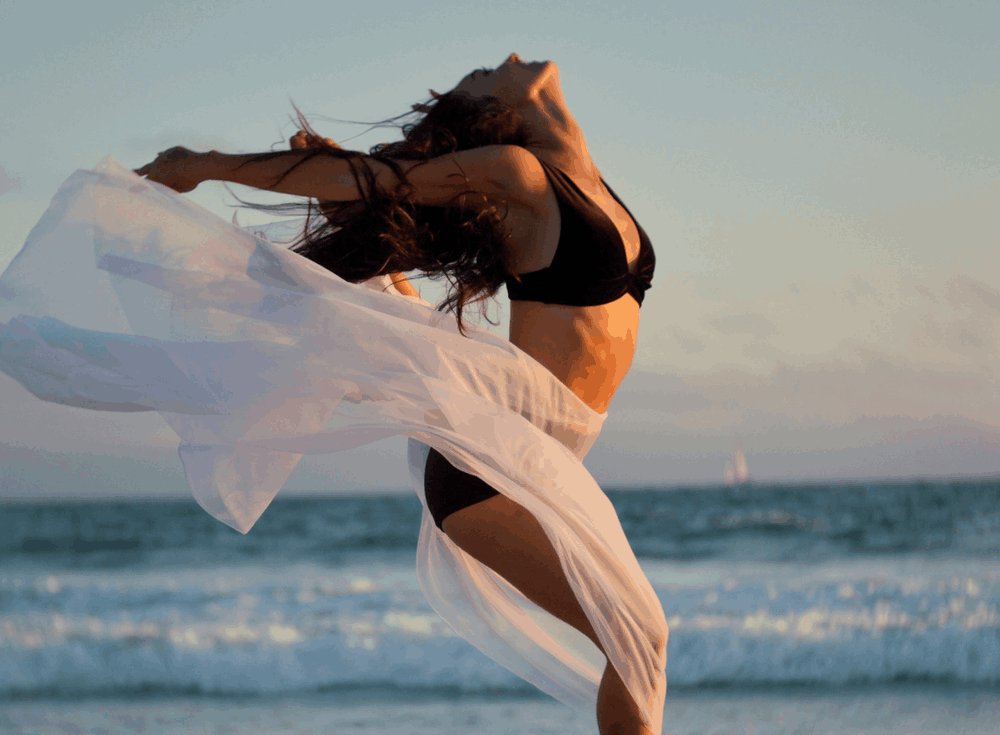
Dance is one of the oldest ways people have expressed themselves without words. Throughout history dance has had many meanings to communities and individuals including becoming a vessel of “worship, celebration, story-telling and myth-making”. In modern times it also became a therapy: dance movement therapy, which grew from the 1940s and drew partly on Carl Jung’s ideas, is used with emotional difficulties such as body image, self-esteem, anxiety and low mood. Ecstatic dance is not a form of therapy, but it shares some of the same elements. Ecstatic dance has the potential to unravel important information about perception, movement and communication.
What is great about dancing is that it requires the whole person, not just the body or the mind or the emotions. It is a full and integrated human experience. The differentiating aspect of an ecstatic dance ceremony is that it is also a spiritual journey. Aside from all the benefits a dancer in a different dancing tradition gets, ecstatic dancers also enhance their spiritual connection. According to research, having a fulfilling spiritual life is associated with a healthy mental life.
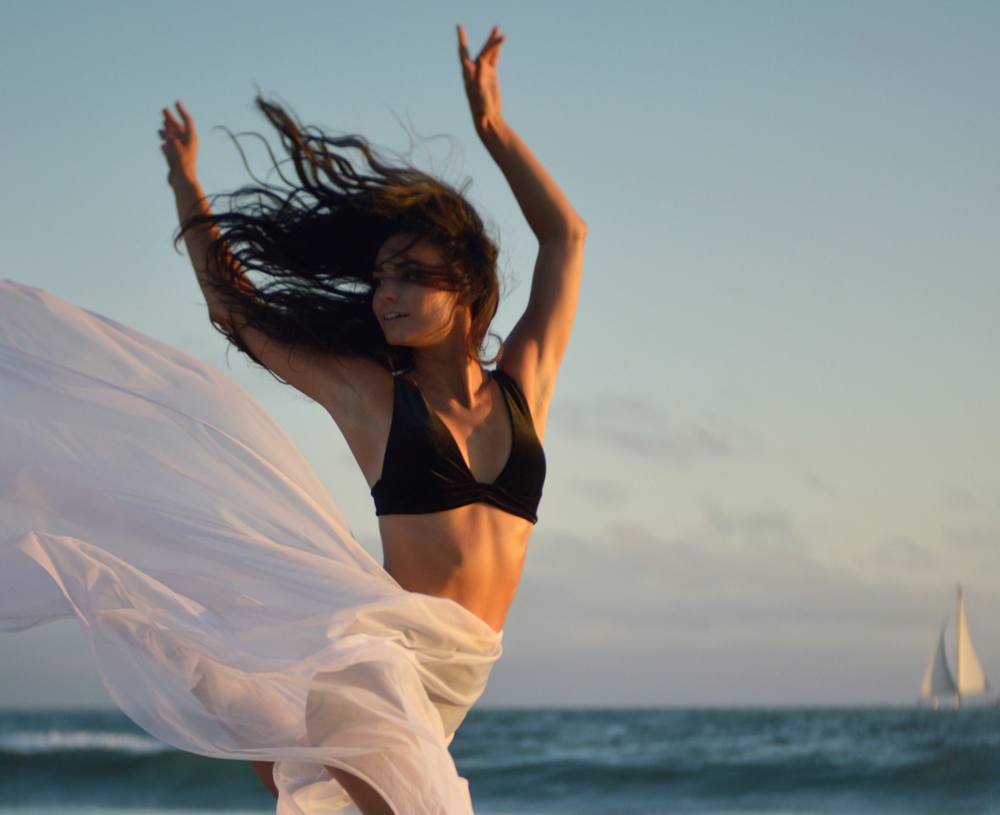
Dancers in ecstatic dance discover themes in the totality of their movements. They are on a creative journey which in itself is a fruitful process. Dancing symbolizes ideas and situations without us having to feel “the impact of real life” and we can process emotion through it. Dancers have a safe distance to express themselves and whatever they are expressing through dance is less threatening to them in this form. Dancing can be a cathartic experience that can be described as recollecting and releasing repressed emotions. Dance has a language-like quality and we can tell our stories through it. What we express with dance helps us confront stressors. Some people who find it hard to put painful experiences into words find comfort in creative movement. It does not replace trauma therapy.
Another benefit of dancing is that sometimes dancers come up with possible solutions and new perspectives to evaluate their problems. Dancing helps people feel in control of their bodies, moves, actions and appearance. This self-mastery has lots of beneficial effects including increased self-confidence.
Dancing is a type of exercise, and studies of regular exercise show it can ease mild symptoms of anxiety and low mood. It is not a treatment for depression. Another benefit of dancing is that you can get away from the repetitive thoughts in your head and find release. With dancing, we are able to move spontaneously and think through movement. Dancing improves our mood. With the movements in dancing, endorphins in our body get flowing. The fast pace and the flow of ecstatic dance often results in feeling a little high which is similar to the runner’s high. According to the neurological point of view, the body embeds intense emotional memories and they can be brought back by dancing. Stuck feelings of depression or anger can result in disturbances in our mental and physical life and it is stated that dance can help us release these stuck emotions.
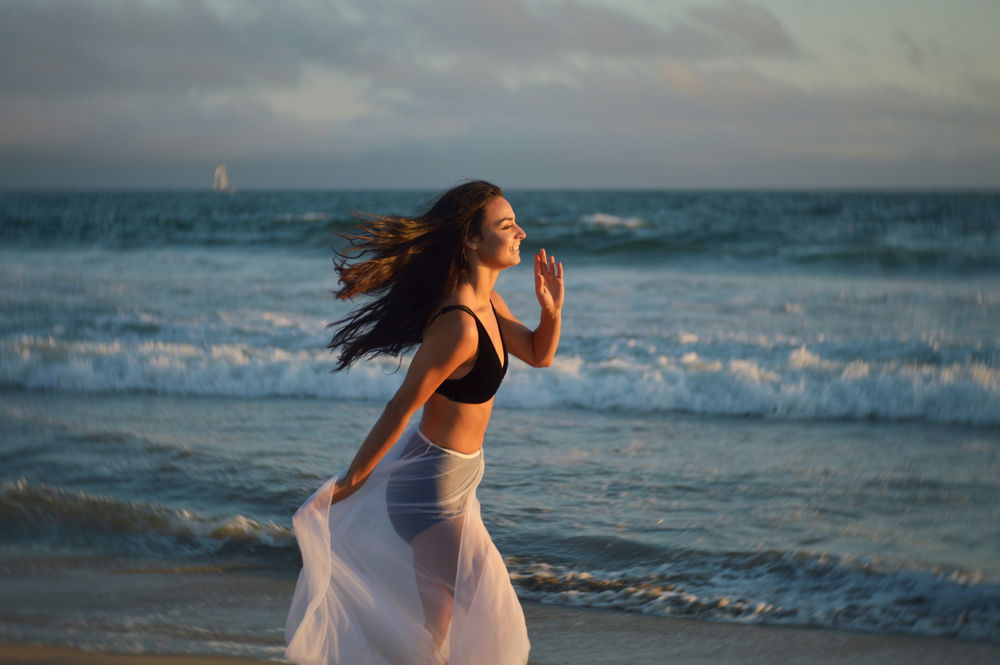
Another important point is the societal aspect of ecstatic dance. It is practised as a community which leads to socialization. Thus dance can make us feel included and enhance feelings of identification in a group. This leads to reduced alienation and stress. The ecstatic dance community promotes inclusivity, everyone and anyone can join the ceremonies without fear of being judged. The Ecstatic dance community emphasizes consent and highlights the expression of boundaries with movement as well.
To conclude, ecstatic dance offers many beneficial effects to those who are open to trying. Many people find it good for their mood, their sense of connection and their spiritual life. Dancers can creatively express themselves in a group context which provides support and acceptance. In addition, it works as an exercise for the body and enriches our spiritual life.
References
Guardian News and Media. (2009, July 21). Ecstatic dance: rhythm to beat the blues. The Guardian. https://www.theguardian.com/lifeandstyle/2009/jul/21/ecstatic-dance.
Hanna, J. L. (1995). The power of dance: Health and healing. The Journal of Alternative and Complementary Medicine, 1(4), 323-331.
Rooke, J. (2014). The restorative effects of ecstatic dance: a qualitative study.
Wikimedia Foundation. (2021, May 26). Ecstatic dance. Wikipedia. https://en.wikipedia.org/wiki/Ecstatic_dance.
With dance cardio's more spiritual cousin, the goddess vibes are intense (and honestly, fun). (2020, January 24). Well+Good. https://www.wellandgood.com/what-is-ecstatic-dance/.
Related reading: the Holosomatic® Method Training · What is the Holosomatic® Method?