Traditional Massage: The Foundation of Therapeutic Touch
Traditional massage therapy serves as the cornerstone of therapeutic bodywork, focusing primarily on muscle manipulation and immediate symptom relief. Licensed massage therapists employ established techniques to address surface-level tension and promote relaxation through predictable, systematic approaches.
The scope of traditional massage centers on:
- Swedish massage for general relaxation and stress reduction
- Deep tissue work targeting specific muscle groups and chronic tension
- Hot stone therapy combining heat with manual manipulation
- Sports massage designed for athletic performance and injury prevention
Most massage sessions follow standardized protocols that ensure consistency across different practitioners and locations. Clients receive treatments lasting 60 to 90 minutes, during which facilitators use oils or lotions to facilitate smooth movements across major muscle groups. This approach delivers immediate benefits, including reduced muscle tension, improved circulation, and temporary pain relief.
However, traditional massage typically addresses symptoms rather than underlying causes. While the relaxation and pain relief feel substantial in the moment, chronic issues often return because the deeper structural or emotional patterns remain unchanged.
Bodywork Therapy: The Holistic Revolution
Bodywork therapy represents a paradigm shift in therapeutic treatment, viewing the human body as an interconnected system where physical, emotional, and energetic imbalances create complex patterns of dysfunction. A bodywork practitioner approaches each session as a unique exploration, adapting techniques based on what the individual body reveals.
This comprehensive approach encompasses multiple healing modalities:
Structural Integration Methods:
- Rolfing for fascial release and postural alignment
- Hellerwork combining manual therapy with movement education
- Myofascial release targeting connective tissue restrictions
Nervous System Approaches:
- Craniosacral therapy working with cerebrospinal fluid rhythms
- Feldenkrais Method retraining movement patterns through awareness
- Somatic experiencing addressing trauma stored in the nervous system
Energy-Based Techniques:
- Bioenergetic analysis releasing emotional blocks through breathing
- Polarity therapy balancing electromagnetic fields
- Neuromuscular therapy addressing nerve-muscle communication
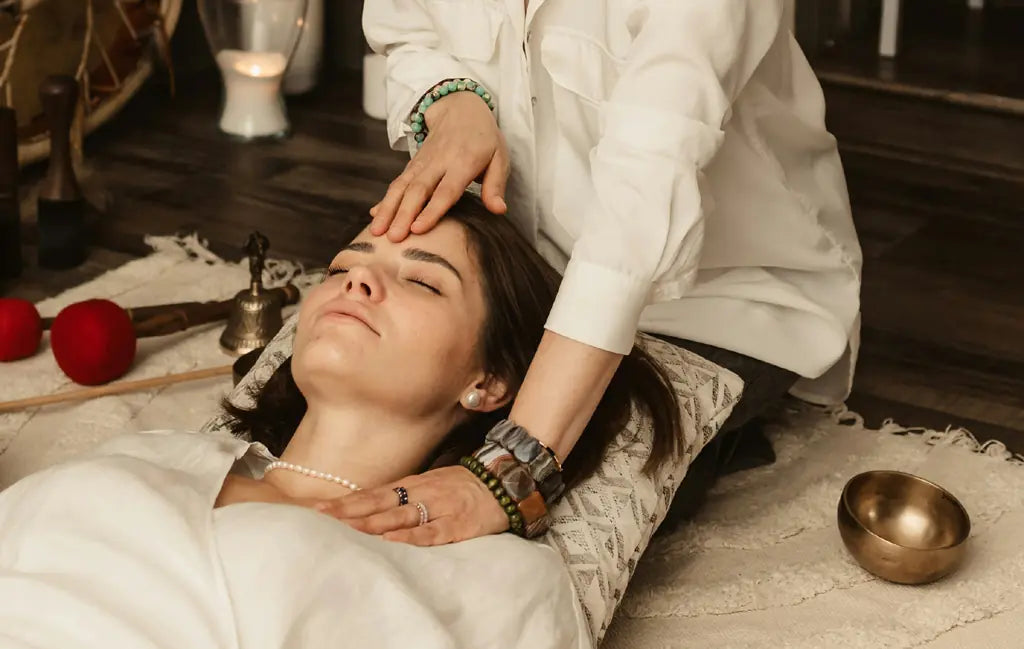
The bodywork practitioner works as a facilitator rather than a technician, creating conditions that allow the body's innate healing wisdom to emerge. Sessions may include periods of stillness, gentle touch, guided movement, or even dialogue about emotional patterns connected to physical symptoms.
Exploring Therapeutic Mechanisms
The effectiveness of any therapeutic approach depends on understanding how different techniques create healing responses in the body. Both traditional massage and bodywork therapy operate through distinct mechanisms that produce measurable physiological and psychological changes.
How Traditional Massage Creates Change
Traditional massage operates through well-understood physiological mechanisms that produce measurable benefits. The mechanical pressure applied to soft tissues increases blood flow, delivering oxygen and nutrients while removing metabolic waste products. This enhanced circulation reduces inflammation and accelerates cellular healing.
The pressure and movement stimulate mechanoreceptors in the skin and deeper tissues, which can override pain signals traveling to the brain—a phenomenon known as the gate control theory. Additionally, massage triggers the release of endorphins, serotonin, and other neurotransmitters that promote feelings of well-being and natural pain relief.
Regular massage sessions help regulate the autonomic nervous system, shifting the body from sympathetic (fight-or-flight) dominance toward parasympathetic (rest-and-digest) activation. This physiological shift supports better sleep, improved digestion, and enhanced immune function.
The Multidimensional Impact of Bodywork Therapy
Bodywork therapy operates on multiple levels simultaneously, addressing not just muscular tension but also fascial restrictions, nervous system patterns, and energetic blockages. The fascial system, a continuous web of connective tissue surrounding every structure in the body, plays a central role in many bodywork approaches.
When fascia becomes restricted due to injury, chronic stress, or repetitive movement patterns, it can create dysfunction far from the original problem site. A bodywork practitioner trained in fascial release techniques can trace these restriction patterns throughout the body, addressing the source rather than just the symptoms.
Many bodywork modalities work directly with the nervous system's capacity for neuroplasticity—the brain's ability to form new neural pathways. Techniques like the Feldenkrais Method use gentle movements and heightened awareness to retrain habitual patterns at the neurological level, creating lasting changes in how the body moves and functions.
The emotional component of bodywork therapy acknowledges that physical symptoms often have psychological or energetic origins. Chronic tension patterns may develop as protective mechanisms against emotional trauma, and addressing these deeper layers often leads to more complete and lasting healing.
Looking for a bodywork session near you? Our Directory of Facilitators lists InnerCamp graduates.
Navigating Your Healing Options
The choice between traditional massage and bodywork therapy depends on various factors, including your specific health concerns, treatment goals, and personal preferences. Each approach offers distinct advantages for different situations and conditions.
When Traditional Massage Delivers Optimal Results
Traditional massage excels in providing immediate relief for acute muscle tension, stress-related symptoms, and general wellness maintenance. The predictable nature of massage techniques makes this approach ideal for those who prefer knowing exactly what to expect from their therapeutic sessions.
Ideal candidates for traditional massage include:
- Athletes seeking performance enhancement and injury prevention
- Office workers dealing with posture-related tension
- Individuals managing chronic stress and seeking regular relaxation
- People recovering from acute injuries or surgical procedures
The accessibility and widespread availability of traditional massage make it an excellent starting point for those new to therapeutic bodywork. Most communities offer multiple massage therapy options, and many health insurance plans now provide coverage for massage therapy when recommended for specific medical conditions.
Traditional massage works particularly well as part of a comprehensive healthcare approach, complementing other treatments like physical therapy, chiropractic care, or medical interventions. The immediate stress relief and muscle relaxation can enhance the effectiveness of other healing modalities.
When Bodywork Therapy Offers Superior Healing
Bodywork therapy becomes the preferred choice when dealing with complex, chronic, or recurring issues that haven't responded well to conventional treatments. The comprehensive assessment skills and diverse technique repertoire of an experienced bodywork practitioner can identify and address underlying patterns that other approaches miss.
Prime candidates for bodywork therapy include:
- Individuals with chronic pain syndromes affecting multiple body systems
- People dealing with postural imbalances and movement restrictions
- Those experiencing stress-related conditions with emotional components
- Anyone seeking to address trauma stored in the body
Some people with long-standing tension, headaches or back pain find bodywork a helpful addition to their medical care. It does not replace a diagnosis or treatment from a doctor.
Because bodywork pays attention to both body and feelings, some people find it supports them alongside professional help for anxiety or low mood. It is not a treatment for depression or trauma.
Creating Your Personalized Treatment Strategy
The most effective approach often involves combining elements from both traditional massage and bodywork therapy, creating a personalized treatment strategy that addresses immediate needs while promoting long-term healing and optimal function.
Integrating Multiple Modalities
Many experienced massage body work practitioners naturally blend techniques from both traditions, adapting their approach based on each client's presenting symptoms and treatment goals. A session may begin with a traditional Swedish massage to help the nervous system relax, followed by more specific bodywork techniques.
This integrated approach offers several advantages:
- Immediate symptom relief combined with progressive, lasting change
- Flexibility to adapt treatment focus based on current needs
- Comprehensive addressing of both acute symptoms and chronic patterns
The frequency and emphasis of sessions can vary depending on your healing phase. During acute episodes of pain or stress, more frequent sessions emphasizing traditional massage techniques may provide optimal support. As symptoms stabilize, shifting toward deeper bodywork therapy can help prevent recurrence and improve overall function.
Finding Your Ideal Practitioner
Selecting the right therapeutic partner requires consideration of both practitioner qualifications and personal compatibility. Some massage therapists have extensive additional training in bodywork modalities and can offer both approaches within their practice. Conversely, some bodywork practitioners may have limited training in traditional massage techniques.
When seeking a bodywork facilitator, look for practitioners with specialized training in multiple modalities and documented experience working with conditions similar to yours. Many bodywork approaches require extensive post-graduate education, so inquire about their educational background, certification status, and ongoing professional development.
The therapeutic relationship plays a particularly important role in bodywork therapy, where sessions may involve deeper awareness work and sometimes emotional release. Finding a practitioner who creates a safe and supportive environment becomes essential for achieving optimal healing outcomes.

Making Your Decision With Confidence
Several practical factors influence the effectiveness and accessibility of different therapeutic approaches. Traditional massage generally offers greater availability and lower cost per session, making it more accessible for regular maintenance care. Most communities have multiple massage therapy clinics, and standardized training ensures relatively consistent quality across different providers.
Bodywork therapy typically requires more specialized training and individualized attention, often resulting in higher session fees. However, because bodywork addresses underlying causes rather than just symptoms, many clients find they need fewer total sessions to achieve lasting results, potentially making it more cost-effective long-term.
Insurance coverage varies significantly between different approaches. Traditional massage therapy increasingly receives insurance coverage when recommended by physicians for specific medical conditions. Some specialized bodywork modalities, like craniosacral therapy, may also qualify for coverage when used to treat conditions like concussion symptoms or chronic headaches.
Starting Your Healing Path
Beginning your therapeutic experience doesn't require choosing definitively between massage and bodywork therapy. Many practitioners offer consultation sessions where they can evaluate your specific situation and recommend the most appropriate initial approach.
Consider starting with an assessment from an experienced bodywork practitioner who can provide insight into whether your concerns would respond better to traditional massage techniques or require a more comprehensive approach, such as bodywork therapy. This initial professional guidance can save both time and money while ensuring you receive the most effective treatment tailored to your individual needs.
InnerCamp teaches bodywork as part of the Holosomatic® Method. If you want to learn it, see our Holosomatic® Method Training. If you want a session, find a graduate in our Directory of Facilitators.
Related reading: What is the Holosomatic® Method? · Upcoming InnerCamp events