The Science Behind Conscious Breathing
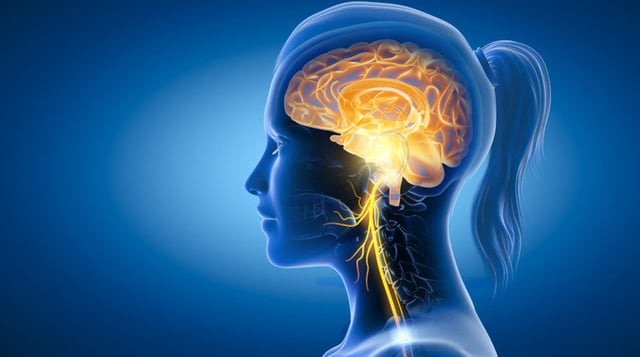
Breathwork training operates on the principle that controlled breathing patterns have a direct influence on the autonomic nervous system. When practitioners engage in specific breathing techniques, they activate the parasympathetic nervous system, which initiates the body's relaxation response. This biological mechanism explains the profound effects that breathwork training can have on stress management and overall health.
Different breathing patterns create distinct physiological responses throughout the body. Some studies report short-term changes in blood pressure and heart rate; the evidence is still limited. Read more about breathwork alongside professional care.

Mental and Emotional Benefits
Quality breathwork training teaches techniques that directly impact cognitive function and emotional regulation. Fast or deep breathing lowers carbon dioxide in the blood, which narrows the blood vessels in the brain for a while. That is why people can feel tingling or light-headed.
The connection between breath and mental state becomes particularly evident during structured training sessions. Participants frequently experience:
- Enhanced focus and concentration
- Improved emotional balance
- Reduced anxiety and stress responses
- Greater self-awareness and mindfulness
- Increased mental resilience
These cognitive improvements often persist beyond training sessions, resulting in lasting changes in how individuals process information and respond to daily challenges.
Professional Breathwork Training Options
The field offers various approaches to breathwork education, each with distinct methodologies and applications. Understanding these different pathways helps individuals choose training that aligns with their goals and interests.
Certification Programs and Requirements
Breathwork training certification programs range from intensive weekend workshops to comprehensive year-long courses. These programs typically combine theoretical knowledge with extensive practical application. Most quality certifications include instruction in anatomy, physiology, various breathing techniques, and session facilitation skills.
Reputable breathwork coach training programs emphasize safety protocols and ethical considerations alongside technical instruction. Many also provide ongoing mentorship and continuing education opportunities to support professional development. The duration and intensity of certification programs vary significantly, allowing individuals to choose options that fit their schedules and career objectives.
Explore the Holosomatic® Method Training: one online training in breathwork, bodywork, energy and manifestation, in three levels. It starts on 1 January 2027, with Level 1 from €1,499.
Somatic Breathwork Training Approach
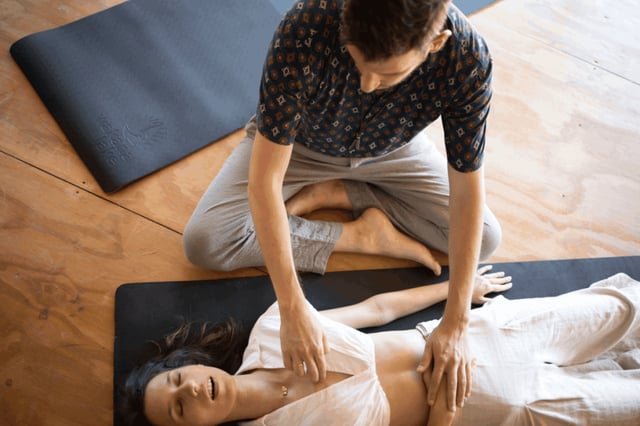
Somatic training focuses specifically on the relationship between breath, body awareness, and emotional release. This methodology recognizes that physical tension and emotional trauma often manifest in breathing patterns and can be addressed through targeted interventions. Somatic approaches teach practitioners to:
- Recognize subtle physical sensations during breathing exercises
- Identify connections between breath patterns and emotional states
- Facilitate safe emotional releases through breath work
- Develop enhanced body awareness and self-regulation skills
This specialized training requires additional education in trauma-informed practices and body-based therapeutic approaches. Practitioners learn to create supportive environments where deep healing work can occur safely.
Transformational Breathwork Methods
Transformational breathwork represents an intensive form of practice that uses connected, circular breathing patterns to access altered states of consciousness. This approach can facilitate profound psychological and spiritual experiences that many participants describe as life-changing.
Training in transformational techniques requires extensive preparation, as these methods can generate powerful experiences. Instructors learn to recognize and support various types of emotional and energetic releases while maintaining safe practice environments. This level of breathwork coach training demands both technical competency and emotional maturity.
Traditional and Contemporary Techniques
Pranayama Foundations
Ancient pranayama practices form the backbone of many modern breathwork training programs. These time-tested yogic breathing techniques, refined over millennia, offer systematic approaches to breath regulation. Traditional methods include alternate nostril breathing, breath retention exercises, and specific rhythmic patterns designed to produce particular effects.
Contemporary breathwork training often integrates these classical techniques with modern approaches, providing practitioners with comprehensive skill sets. Understanding pranayama gives any training its historical roots: breathing methods people have practised for thousands of years.
Modern Adaptations and Innovations
Current breathwork training incorporates insights from neuroscience, psychology, and somatic therapy to create more effective and accessible practices. These adaptations maintain the essential elements of traditional techniques while making them more suitable for contemporary lifestyles and needs.
Modern approaches often emphasize practical application in daily life rather than purely spiritual or ceremonial contexts. This shift has made breathwork training more appealing to broader audiences seeking concrete tools for stress management, performance enhancement, and personal development.
Practical Implementation and Getting Started
First-time participants in breathwork training typically begin with basic awareness exercises that highlight natural breathing patterns. This foundation work helps individuals understand their baseline breathing habits before introducing modifications or advanced techniques.
During initial sessions, various physical sensations may occur, including:
- Tingling sensations in hands or feet
- Changes in body temperature
- Emotional releases or mood shifts
- Altered states of consciousness
- Increased energy or deep relaxation
Qualified instructors guide participants through these experiences while explaining the physiological reasons behind different sensations. This education helps normalize the experience and builds confidence for continued practice.
Training Format Considerations
The choice between online and in-person breathwork training depends on individual learning preferences, geographical constraints, and comfort with technology. Online programs offer convenience and access to instructors worldwide, while in-person training provides direct supervision and the benefits of group energy.
Online training works well for many students to learn the basic techniques and keep a regular practice.
Virtual sessions allow participants to practice in familiar environments, which can enhance comfort and reduce initial anxiety. However, in-person training offers advantages in terms of immediate feedback and the ability for instructors to observe subtle physical cues.
Building Sustainable Practice
Establishing a consistent breathwork routine requires realistic goal-setting and gradual progression. Starting with brief daily sessions of ten to fifteen minutes often proves more sustainable than attempting lengthy practices initially. Regular short sessions build familiarity with techniques while allowing the nervous system to adapt gradually.
Effective breathwork training emphasizes progressive skill development rather than rushing toward advanced practices. This approach prevents overwhelm and builds confidence through manageable challenges. Most programs provide clear guidelines for advancing from basic techniques to more complex methods as competency develops.
Find a live event.
Safety and Considerations
While breathwork training is generally safe for most individuals, certain health conditions require careful consideration or medical consultation. Pregnancy, cardiovascular issues, a history of seizures and other conditions can make intensive breathing unsuitable. See the full list on our breathwork safety page.
Proper training includes comprehensive safety education and screening procedures. Responsible instructors assess participant readiness and modify techniques based on individual needs and limitations. This attention to safety distinguishes professional training from casual practice or self-directed learning.
Professional Guidance Importance
The powerful effects possible through breathwork training make professional instruction essential for safe and effective practice. Self-taught approaches or following random online content can potentially create problems without a proper understanding of technique progression and safety protocols.
Quality training provides the knowledge base necessary to work safely with altered states of consciousness and intense emotional releases. Professional programs also teach participants to recognize when additional support or referral might be appropriate for those experiencing challenging responses.

Cumulative Effects of Regular Practice
Consistent breathwork training creates progressive benefits that compound over time. Regular practitioners often report improvements in sleep quality, emotional regulation, stress resilience, and overall life satisfaction. Experiences vary from person to person.
The transformation process through breathwork training varies significantly among individuals. Some experience immediate stress relief and improved energy, while others discover deeper emotional healing and spiritual insights over months of dedicated practice. Personal history, current life circumstances, and individual sensitivity all influence the timeline and nature of benefits experienced.
Professional Development Opportunities
For those interested in sharing these benefits with others, breathwork training opens pathways to meaningful career opportunities. Certified practitioners can work in various settings, including wellness centers, therapy practices, corporate environments, and private practice. The growing recognition of breathwork benefits has created increased demand for qualified instructors.
Advanced training often includes business development education, marketing strategies, and ongoing professional development opportunities. Many certification programs provide graduate support networks that facilitate career growth and continued learning throughout professional practice.
Finding Quality Training Programs
Selecting appropriate training requires a careful evaluation of the instructor's qualifications, program content, and teaching methodologies. Look for educators with solid credentials, positive student reviews, and teaching approaches that resonate with personal learning preferences.
Many reputable programs offer introductory workshops or sample sessions that allow potential students to experience the work before committing to comprehensive training. This approach helps ensure good matches between students and programs while providing realistic expectations about the training process. Quality breathwork training programs typically include:
- Comprehensive curriculum covering theory and practice
- Adequate supervised practice time
- Safety protocols and contraindication education
- Ongoing support and mentorship opportunities
- Clear breathwork training certification requirements and standards
Investment in Personal Growth
Breathwork training represents an investment in lifelong skills that support personal resilience, emotional regulation, and overall well-being. The techniques learned through quality programs provide reliable tools for managing stress, processing emotions, and accessing inner wisdom throughout life's various challenges and transitions.
The field continues evolving as research validates traditional practices and new applications are developed. Whether pursued for personal development, professional advancement, or simply as another wellness tool, breathwork training offers pathways to enhanced health and authentic personal transformation.
Book a free call about the training.
Explore the Holosomatic® Method Training: one online training in breathwork, bodywork, energy and manifestation, in three levels. It starts on 1 January 2027, with Level 1 from €1,499.
Explore the Holosomatic® Method Training: one online training in breathwork, bodywork, energy and manifestation, in three levels. It starts on 1 January 2027, with Level 1 from €1,499.