The wellness industry is growing fast, and more people than ever are looking for certified guides who can support deep mind–body transformation. But holistic facilitator certification isn’t just about learning techniques, it’s about embodying a safe, ethical, trauma-informed path that integrates breath, body, and energy.
This guide explains how to become a holistic facilitator, what holistic facilitator certification requirements typically include, how long the process takes, and the career paths available once you’re certified.
Quick answer
Holistic Facilitator Certification in 60 Seconds
If you’re looking for the simplest overview:
-
What it is: Professional training that prepares you to guide people using holistic, mind - body - energy approaches
-
Typical requirements: Structured training hours, supervised practice, ethics, contraindications, and assessment
-
Time to certify: Usually 3–12 months, depending on program depth and format
-
Best outcomes: You’ll be prepared to facilitate private sessions, group workshops, circles, retreats, and online programs
-
Best holistic certification programs online: Look for accreditation, trauma-informed curriculum, supervised practice, and clear scope-of-practice guidelines
What Does It Mean to Be a Holistic Facilitator?
A holistic facilitator supports people through an integrated approach that honors the whole person - mind, body, emotions, and energy. Instead of focusing only on isolated symptoms, holistic facilitation aims to address root causes of imbalance and help people reconnect with their innate capacity for healing and self-regulation.
This is different from clinical or medical work. Holistic facilitators do not diagnose or prescribe medication. Instead, they offer complementary practices for wellness, self-awareness, emotional release, nervous system regulation, embodiment, and personal growth.
The Three Pillars of Holosomatic® Method® (InnerCamp’s Core Method)
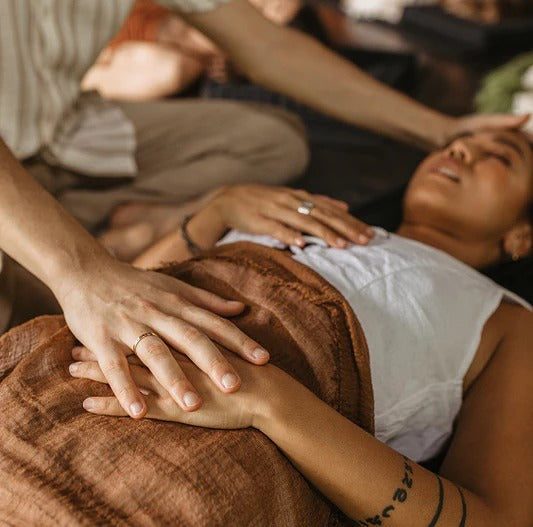
At InnerCamp, we've developed Holosomatic® Method®, a proprietary method created by founder Alexis Alcalá that integrates three essential healing modalities. This multi-modality approach is a core reason many students choose InnerCamp for holistic facilitator certification.
BREATH (Holosomatic® Breathwork®)
Holosomatic® Breathwork® includes:
-
Conscious connected breathwork for trauma processing and emotional release
-
Nervous system regulation through breath
-
Five evidence-based breathwork styles for different healing needs
-
Trauma-informed breath practices designed for safety and integration
If you’re specifically considering breathwork as your primary modality, our detailed guide to breathwork facilitator training explains certification requirements, safety standards, and professional career pathways in depth.
BODY (Holosomatic® Bodywork®)
Holosomatic® Bodywork® draws from somatic trauma and body-based methods, including:
-
Somatic trauma release techniques based on Peter Levine's Somatic Experiencing
-
Bioenergetic practices from Alexander Lowen
-
Body armor dissolution using Reichian therapy principles
- Physical stress release and psychosomatic symptom reduction
ENERGY (Holosomatic® Energy®)
Holosomatic® Energy® includes:
-
Energy activation and balancing techniques
-
Consciousness expansion methods
-
Integration of Tantra, Taoism, and modern psychology
- Preparation for higher vibrational frequencies and mystical states
Important note: These practices may support stress regulation, emotional balance, and personal transformation. They are designed to complement not replace professional medical or mental health care.
Additional Specialized Certifications at InnerCamp
InnerCamp also offers specialized pathways that can complement your holistic facilitator certification:
Key areas include:
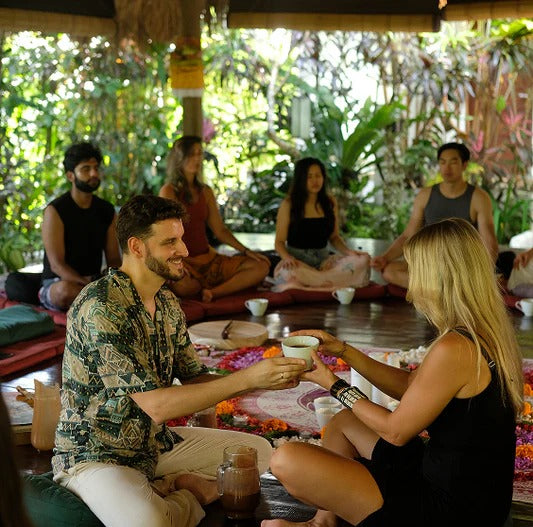
This pathway trains you to guide cacao ceremonies that support:
-
Presence and inner connection
-
Emotional openness and embodied awareness
- Intention-setting, ritual structure, and safe facilitation
Why Holistic Facilitator Certification Matters (Even When It’s Not Legally Required)
In many parts of the US and Europe, holistic practice is not tightly regulated. However, holistic facilitator certification matters because it builds safety, credibility, and professional trust, especially when working with deep emotional material.
Benefits of certification
Client safety and trust
-
Clients want to know their facilitator has real training, boundaries, and a clear ethical framework.
Trauma-informed competency
-
Breathwork, somatic practices, and energy work can surface intense emotional content. Training helps you avoid overwhelm and work safely with nervous system capacity.
Professional recognition
InnerCamp certifications are accredited by:
-
Complementary Medical Association (CMA)
-
International Breathwork Foundation (IBF)
-
Continuing Professional Development (CPD) (50 CPD credits per program)
Insurance and professionalism
Certification can make it easier to obtain professional liability insurance in many jurisdictions and demonstrates a standard of care.
The Benefits of Becoming a Certified Holistic Facilitator
Personal Transformation
Many people begin holistic facilitator training because they’ve been through their own healing journey. The training often deepens that transformation, helping you build skill, presence, and embodied confidence.
As Alexis Alcalá discovered after years in the corporate world, traditional therapy and coaching provided insights, but they couldn't fully address the root causes of his struggles. It was through somatic work that he not only reconnected with his body but also transformed his life and found profound healing beyond what conventional medicine had offered.
Diverse Career Opportunities
Certification opens multiple professional pathways:
-
Private Sessions: Offer one-on-one breathwork, somatic healing, or energy work sessions online or in person
-
Workshops & Healing Circles: Lead group breathwork journeys, women's circles, men's groups, or themed healing workshops
-
Retreat Facilitation: Co-facilitate or lead healing retreats in beautiful settings worldwide
-
Specialized Facilitator: Become known as an expert in breathwork therapy, somatic emotional release, or energy activation
-
Trauma-Informed Coach: Combine holistic training with coaching skills to guide clients through life transitions
-
Wellness Center Collaboration: Partner with yoga studios, wellness centers, therapy practices, or holistic clinics
-
Digital Products & Online Programs: Create recorded breathwork journeys, online courses, membership communities, or other scalable offerings
How to Become a Holistic Facilitator: 7 Steps (2026)

Step 1: Clarify your modality interests
Ask yourself:
-
Are you most drawn to breathwork and regulation?
-
Somatic healing and body-based work?
-
Energy work, consciousness, or tantric practices?
Try:
-
attending workshops
-
receiving sessions from trained facilitators
-
reading and comparing modalities
InnerCamp also offers free masterclasses to experience Holosomatic® Breathwork® and explore training pathways.
Step 2: Choose an accredited, trauma-informed program
When comparing the best holistic certification programs online, look for:
-
International accreditation (where relevant)
-
Trauma-informed curriculum + safety protocols
-
Experienced teachers (hands-on, not only theory)
-
Clear scope of practice and ethics
-
Supervised practice and feedback
-
A science-informed approach (nervous system, trauma education)
Step 3: Enroll in a holistic facilitator certification (online or hybrid)
A strong online or hybrid program typically includes:
-
Live interactive sessions
-
Recorded modules for review
-
Structured assignments and practice
-
Community support and mentorship
-
Clear practice requirements and evaluation
Step 4: Train across modalities (the multi-modality advantage)
Single-modality training can be limiting. Multi-modality training helps you meet clients where they are whether they need breath-led regulation, somatic processing, or energy-based integration.
Step 5: Practice through supervised sessions
Quality certification includes:
-
supervised facilitation practice
-
peer practice (giving and receiving)
-
feedback on safety, presence, pacing, and ethics
-
case study tracking (where applicable)
Step 6: Complete assessments and demonstrate competency
Many programs include:
-
written assessments (ethics, contraindications, fundamentals)
-
practical facilitation evaluations
-
case studies and practicum demonstrations
Step 7: Start building your practice
A simple progression:
Months 1–3: Foundation
-
practice with trusted peers
-
gather testimonials
-
refine your niche and offer format
Months 3–6: Growth
-
begin professional rates
-
run group workshops
-
partner with local studios/centers
Months 6–12+: Expansion
-
retreats, signature programs, digital offers
-
consistent marketing systems
- deeper specialization or advanced training
Holistic Facilitator Certification Requirements (What to Look For)
While requirements vary by program, strong holistic facilitator certification requirements often include:
-
training hours and curriculum depth
-
supervised facilitation practice
-
trauma-informed safety and contraindications
-
ethics, consent, boundaries, and scope-of-practice
-
assessment or practicum demonstrating competency
- integration practices and aftercare guidance
How Long Does It Take to Become a Holistic Facilitator?
Most people complete a certification in 3–12 months, depending on:
-
whether the program is part-time or intensive
-
total training hours
-
supervised practice requirements
-
hybrid vs fully online format
InnerCamp training overview (at a glance)
*Hybrid Training Includes 5 days of on-site practical training With eliminating the need to attend the weekly live sessions. Recommended.
All programs include:
-
lifetime material access
-
community support
-
mentorship opportunities
-
business and career guidance
- CPD credits
What sets InnerCamp apart
-
International accreditation (CMA, IBF, CPD)
-
Trauma-informed foundation for safer facilitation
-
Multi-modality integration (Breath + Body + Energy)
-
Science meets spirituality (nervous system + embodied practice)
-
Expert master trainers and experienced educators
-
Global community and ongoing support
-
Hands-on practice (not purely theoretical)
-
Flexible formats (online and hybrid options)
-
Career support for building sustainable work
How to Get Started With InnerCamp
-
Explore programs: choose Breathwork, Bodywork, Energy, or Tantra pathways
-
Attend a free masterclass: experience Holosomatic® work first
-
Review dates and investment: choose your timeline + payment plan
-
Book a discovery call: clarify best starting path
-
Enroll: join the next cohort and begin your certification journey
Frequently Asked Questions
Do I need previous experience?
No. Most InnerCamp programs are designed to meet you where you are and build skills from the ground up.
Can I practice internationally with this certification?
Many graduates practice worldwide and online globally. Accreditation and insurance requirements vary by location, so we recommend checking your local guidelines as well.
What’s the difference between a holistic facilitator and a licensed facilitator?
Licensed facilitators can diagnose and treat mental health conditions within regulated systems. Holistic facilitators provide complementary wellness support and do not diagnose or replace clinical care. Many professionals combine both approaches collaboratively.
Can I work with clients remotely?
Yes. Many facilitators work virtually via Zoom and run online workshops, memberships, and digital programs.
Is this for personal healing or professional practice?
The certification trains you for professional facilitation, and many students also experience deep personal transformation through the process.
Scope of Practice and Ethical Boundaries
Holistic facilitators are trained to work ethically and within scope.
Holistic facilitators do:
-
provide breathwork, somatic, and energy-based wellness support
-
support stress management, emotional wellness, and personal growth
-
collaborate with licensed professionals where appropriate
Holistic facilitators do not:
-
diagnose medical or mental health conditions
-
prescribe medication or replace clinical care
-
claim to cure psychiatric conditions
If someone is in crisis or experiencing severe symptoms, the safest step is referral to qualified professional support.
Ready to Begin Your Holistic Facilitator Certification Journey?
If you feel called to this work, the next step is to choose an accredited, trauma-informed path that helps you build real competency not just information.
Explore InnerCamp’s training pathways and join a global community of facilitators supporting transformation through breath, body, and energy.
Additional Resources
Continue Your Learning
Free Resources:
-
InnerCamp Blog: Comprehensive articles on breathwork, somatic therapy, trauma healing
-
YouTube Channel: Guided breathwork sessions and educational content
-
Instagram: @innercamp and @alexis.innercamp for daily wisdom and updates
- Free Masterclass: Experience Holosomatic® Breathwork® firsthand
Professional Training:
-
Holosomatic® Breathwork® Facilitator Training
-
Holosomatic® Bodywork® Facilitator Training
-
Holosomatic® Energy® Facilitator Training
-
Tantra Facilitator Training
-
Cacao Ceremony Training
- 21-Day Holosomatic® Self-Healing Program (for personal transformation)
Community Connection:
-
Join the InnerCamp global community of 2,500+ facilitators
-
Attend live breathwork circles and events
-
Participate in retreats across Europe and globally
- Access ongoing professional development and mentorship
Scientific References & Further Reading
Fundamental Texts:
-
"The Body Keeps the Score" by Bessel van der Kolk
-
"Waking the Tiger" by Peter Levine
-
"The Polyvagal Theory" by Stephen Porges
-
"When the Body Says No" by Gabor Maté
-
"Bioenergetics" by Alexander Lowen
- "Character Analysis" by Wilhelm Reich
Research Organizations:
-
Complementary Medical Association (CMA)
-
International Breathwork Foundation (IBF)
-
International Society for the Study of Trauma and Dissociation
- The Trauma Research Foundation