Say "tantra" and many people think of marathon sex. The truth is broader, older and more interesting. Here's what tantra really is and how people practise it today.
Where tantra comes from
Tantra developed in India from around the middle of the first millennium CE, within both Hindu and Buddhist traditions. At its heart is a simple, radical idea: everything — including the body, emotions and desire — can be a doorway to awareness, rather than something to escape.
What modern tantra looks like
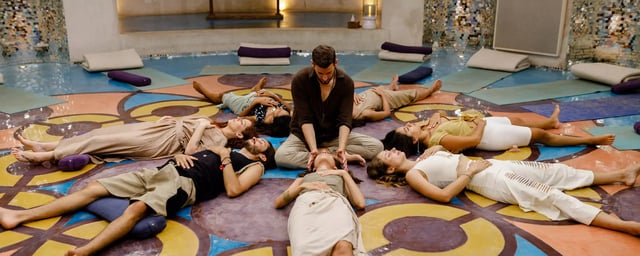
Today's tantra, especially in the West, usually focuses on presence, breath, energy and conscious relating. A typical practice might include:
- Breath and energy work to feel more alive in your body (related to kundalini energy)
- Meditation and embodiment practices
- Conscious communication and boundaries
- De-armouring — releasing held tension (see this de-armouring practice)
- Partner practices for intimacy, when appropriate
Common myths
- "It's only about sex." Sexuality is one part; most practices are solo and non-sexual.
- "You need a partner." No — much of tantra is about your relationship with yourself.
- "It's a religion." Modern tantra is a set of practices you can use whatever your beliefs.
More myths are busted in 6 common misconceptions about tantra.
Three simple practices to start
- Three-minute body scan: breathe slowly and notice sensations from feet to head, without judging.
- Eye gazing: with a trusted partner, sit facing each other and hold soft eye contact for two minutes.
- Heart breath: place a hand on your chest and imagine breathing in and out of your heart for ten breaths.
For relationship-focused ideas, read 4 tantric practices for intimacy and connection, and for healing, 12 tantra techniques that can help release trauma.
Learning to guide tantra
If you want to share this work responsibly, trauma-informed training matters. The Tantra Facilitator Training is a 22-week online certification with live weekly sessions, starting 7 February 2027.